





When it comes to installing a heat pump in Fishers, IN, you’ll want to contemplate several key factors to guarantee efficiency and long-term performance. Understanding the different types of heat pumps available can make a significant difference. Plus, evaluating your home’s specific heating needs is essential. But that’s just the beginning. Let’s explore how you can optimize your installation for the best results.
Understanding Heat Pump Types and Their Applications
When you’re considering a heat pump for your home, it’s essential to understand the different types available and how they fit your needs.
You’ll find three main types: air-source, ground-source (geothermal), and water-source heat pumps. Air-source pumps are popular for their efficiency in moderate climates, transferring heat between your home and the outside air.
Ground-source systems, while typically more expensive upfront, offer exceptional efficiency by utilizing the earth’s stable temperature. Water-source pumps work similarly but rely on nearby water bodies, making them suitable for specific locations.
Each type has its advantages and limitations, so think about your local climate, budget, and space availability.
For instance, if you live in a colder region, a ground-source heat pump might be the best choice. Understanding these options can help you make an informed decision that enhances your home’s comfort and energy efficiency. Additionally, seeking expert installation services can ensure optimal performance and longevity of your heat pump system.
Assessing Your Home’s Heating Needs
How do you determine the right heating capacity for your home? Start by calculating your home’s square footage. Measure each room and add it all up to find the total area that needs heating.
Next, consider the insulation quality. Well-insulated homes retain heat better, which may allow for a smaller heat pump.
Then, assess your local climate. Fishers, IN, experiences cold winters, so you’ll need a system that can handle those lower temperatures effectively.
Other factors include the number of windows, ceiling height, and your home’s layout, which can affect heat distribution.
Once you gather this information, consult with a trusted HVAC professional to perform a Manual J load calculation. This assessment will give you an accurate estimate of the heating capacity needed for your space, ensuring you choose a heat pump that keeps you comfortable all winter long without wasting energy. Additionally, expert guidance on selecting the right heat pump will further enhance your comfort and efficiency.
Choosing the Right Installation Location
Choosing the right installation location for your heat pump is essential, as it directly impacts its efficiency and performance.
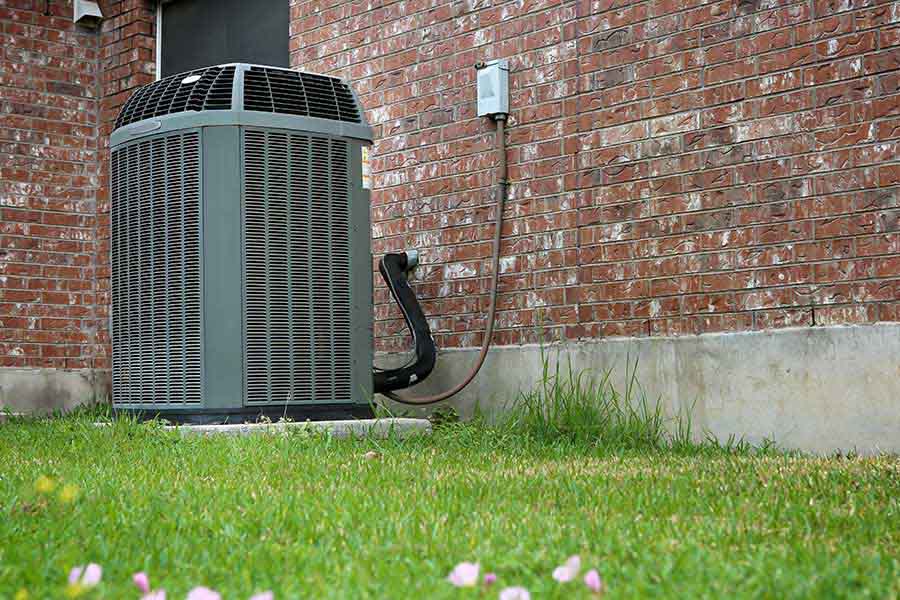
Start by selecting a spot that’s clear of obstructions like trees, shrubs, or fences. This guarantees peak airflow and prevents any potential damage. Ideally, place your heat pump on a sturdy, level surface, such as a concrete pad, to safeguard it from moisture and debris.
Consider proximity to your home’s ductwork or heating system, as this can simplify installation and improve energy efficiency. You’ll also want to avoid placing it near noisy areas, like a generator or pool equipment, to reduce noise disturbances.
Finally, think about accessibility for maintenance and repairs. A well-chosen location not only enhances performance but also makes future servicing easier. Additionally, ensure that the location supports energy-efficient heating and cooling to maximize your system’s capabilities.
Ensuring Proper Sizing and Load Calculation
After selecting the right installation location, you’ll want to guarantee that your heat pump is properly sized for your home.
An improperly sized unit can lead to inefficiencies, higher energy bills, and discomfort. To achieve the right fit, start by calculating your home’s heating and cooling load. This involves evaluating factors like square footage, insulation levels, and the number of windows.
You can use a Manual J calculation or enlist a professional to verify accuracy. Regular maintenance is essential to ensure optimal heat pump performance, as this impacts how effectively your unit operates.
Don’t forget to account for local climate conditions, as this impacts your heat pump’s performance. Once you’ve determined the load, choose a heat pump that matches those specifications.
Maintenance Tips for Long-Term Efficiency
While you might think that installing a heat pump is the end of the journey, proper maintenance is essential for guaranteeing its long-term efficiency.
By following a few simple tips, you can keep your heat pump running smoothly and efficiently for years to come.
- Check filters regularly: Clean or replace them every 1-3 months to guarantee efficient airflow.
- Inspect the outdoor unit: Clear debris like leaves and dirt to maintain proper function.
- Schedule annual maintenance: A professional tune-up can catch issues before they become costly repairs.
- Monitor thermostat settings: Confirm your settings align with your needs to avoid unnecessary energy consumption.
- Keep vents unobstructed: Make sure furniture or other objects don’t block air circulation.
Conclusion
In summary, installing a heat pump in Fishers, IN, can dramatically enhance your home’s energy efficiency. Did you know that heat pumps can be up to three times more efficient than traditional heating systems, according to the U.S. Department of Energy? By understanding the types, evaluating your heating needs, choosing the right location, and ensuring proper sizing, you’re setting yourself up for success. Regular maintenance will keep your system running efficiently for years to come.