




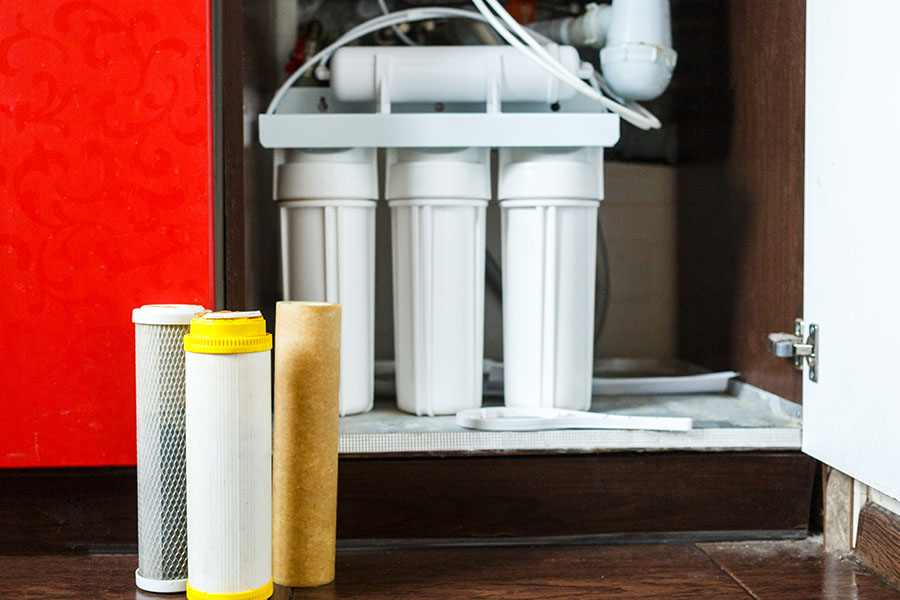
If you’re living in Westfield, IN, you might not realize the impact that water filtration can have on your family’s health. Contaminants can sneak into your drinking water, affecting its taste and safety. By investing in a filtration system, you can improve your water quality greatly. But with so many options available, how do you choose the right one? Understanding the types of systems can make all the difference.
The Importance of Clean Water for Health
When it comes to health, clean water should be at the top of your list. The quality of the water you consume directly impacts your overall well-being. Contaminated water can lead to serious health issues, including gastrointestinal problems and long-term diseases. By ensuring you have access to clean water, you’re taking an important step toward preventing these health risks.
Your body relies on water for digestion, circulation, and temperature regulation. Drinking clean water helps flush out toxins and keeps your skin healthy.
Plus, staying hydrated boosts your energy levels and sharpens your concentration.
You mightn’t realize it, but even minor pollutants can affect your health over time. Investing in clean water isn’t just about quenching your thirst; it’s about safeguarding your health and enhancing your quality of life. High-quality water filtration systems ensure that your water is free from harmful contaminants.
Make clean water a priority, and your body will thank you for it.
Types of Water Filtration Systems Available
As you explore options for ensuring clean water in your home, understanding the types of water filtration systems available is essential. There are several popular options to evaluate.
Activated carbon filters are common; they effectively reduce chlorine, sediment, and volatile organic compounds.
Reverse osmosis systems provide thorough filtration by pushing water through a semipermeable membrane, removing many contaminants.
If you’re looking for something more compact, countertop filters can offer convenience with easy installation and maintenance.
For whole-house solutions, contemplate a point-of-entry system that filters water at the source, ensuring every tap delivers clean water.
Ultraviolet (UV) systems are also gaining popularity, using UV light to eliminate bacteria and viruses.
Each type of system has its strengths, so think about your specific needs, water quality, and budget to find the best match for your home. Additionally, considering a water softener system can complement your filtration efforts by removing hard minerals that affect water quality.
Benefits of Water Filtration for Homeowners
Exploring various water filtration systems reveals numerous advantages for homeowners.
When you invest in water filtration, you improve your water quality and enhance your overall quality of life.
Here are three key benefits:
- Healthier Drinking Water: Filtration removes harmful contaminants, ensuring the water you drink is clean and safe, protecting your family’s health.
- Better Taste and Odor: Filtration systems enhance the taste and smell of your water by eliminating chlorine and other unpleasant substances, making hydration more enjoyable.
- Cost-Effective Solution: By filtering your water, you can reduce your reliance on bottled water, saving money in the long run while also being environmentally friendly.
Additionally, improving your home’s air quality can further contribute to a healthier lifestyle.
With these benefits, water filtration proves to be a smart choice for homeowners looking to improve their water quality and enjoy a healthier lifestyle.
How to Choose the Right Water Filtration System
How can you guarantee you choose the right water filtration system for your home? Start by evaluating your water quality. Test your water to identify contaminants like chlorine, lead, or bacteria.
Next, consider your household’s water usage and needs—do you want filtered water for drinking only, or for the entire house?
Look into different types of systems, such as activated carbon filters, reverse osmosis, or UV purifiers, and weigh their effectiveness against your specific contaminants.
Check the system’s capacity, maintenance requirements, and installation process.
Don’t forget to read reviews and seek recommendations from trusted sources. It’s also wise to compare costs, ensuring you can balance quality and price well.
Finally, consider warranties and customer service—reliable support can improve your experience. Additionally, expert recommendations can help ensure you select the most effective system for your specific needs.
Maintenance Tips for Your Water Filtration System
Regular maintenance is essential to keep your water filtration system running efficiently. By following these simple tips, you can guarantee clean, safe water for your home:
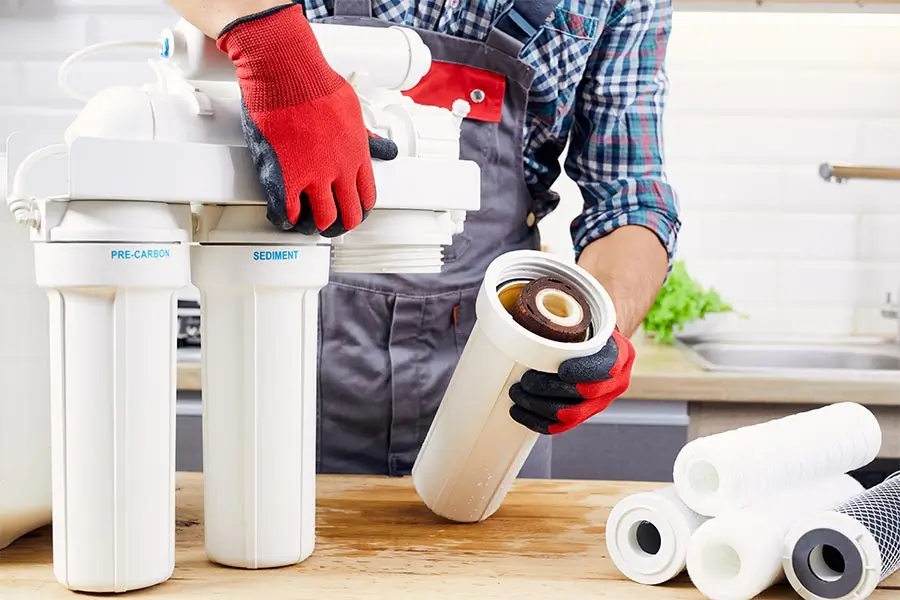
- Change Filters Regularly: Replace filters every 6 to 12 months depending on your system. This prevents clogs and keeps your water tasting fresh.
- Inspect Hoses and Connections: Check for leaks or wear at least twice a year. Tighten connections and replace any damaged hoses to avoid water damage.
- Clean the System: Periodically, flush your filtration system according to the manufacturer’s instructions. This removes any buildup and guarantees peak performance.
Conclusion
Just as a gardener nurtures their plants with pure water, you too can cultivate a healthier home by investing in a water filtration system. By filtering out harmful contaminants, you’re not just quenching your thirst; you’re sowing the seeds of well-being for your family. The clean water you provide can bloom into better health, reduced plastic waste, and a happier lifestyle. So, embrace the filtration journey, and watch your family’s wellness flourish like a vibrant garden.